
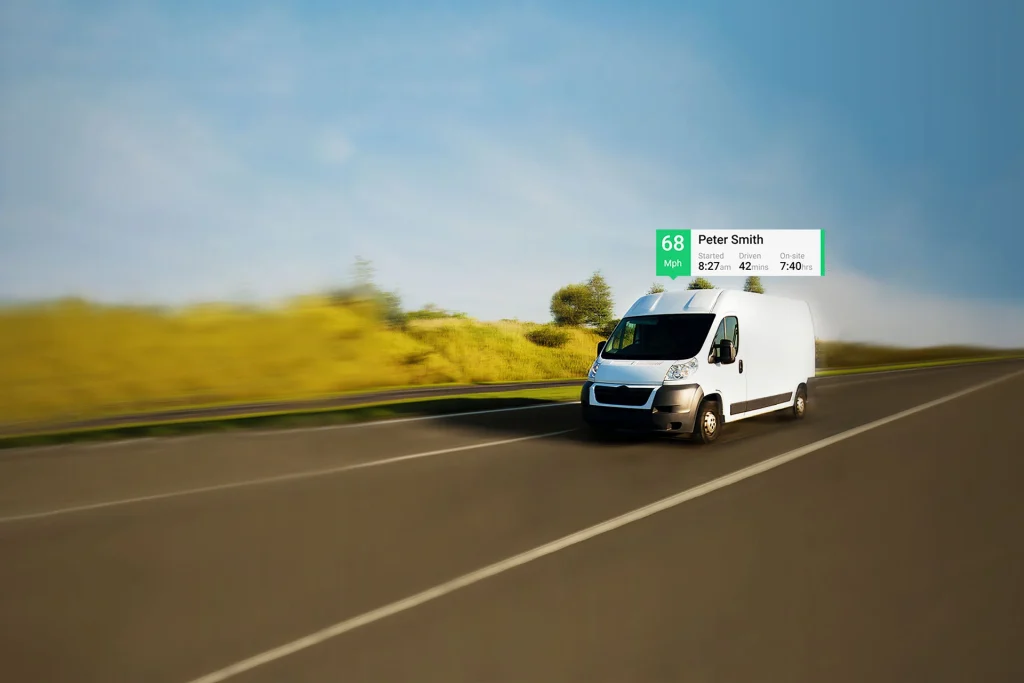
Visibility begins with an operating question
Logistics teams manage movement across yards, warehouses, loading areas and long routes. When vehicle records, camera footage, cargo information and incident reports sit in separate systems, managers may know that a delay or loss occurred without being able to reconstruct why.
A useful visibility project begins by defining the events the team needs to understand: a vehicle arriving, a loading bay becoming available, cargo crossing a controlled point, an unauthorised entry or a route exception that requires verification.
Connect entrances, yards and vehicles
Automatic number-plate recognition can support controlled vehicle entry when camera position, lighting, speed and plate condition are suitable. Yard cameras can provide context around loading activity, while vehicle and asset tracking can help operations teams understand location and movement.
These capabilities are most useful when records share a common time, vehicle or job reference. The aim is not simply to collect more footage—it is to help an authorised person find the relevant information quickly.
Design alerts around a real response
An alert should identify a defined event, reach someone who is available to verify it and include enough context for a decision. Intrusion, route, fuel or cargo exceptions can otherwise become noise that operators learn to ignore.
Start with a small number of high-value events, test them in real operating conditions and review false alerts before expanding the system.
Plan for Ugandan conditions
Connectivity, power stability, dust, heat, rain and night lighting affect system design. Essential recording and site operations should continue when an external connection is unavailable, with secure synchronisation or escalation when connectivity returns.
Access controls, retention periods and incident-export procedures should be agreed before launch. Teams should collect only the information needed for a clear operational or security purpose.